
Cyrill Ibrahim Carries Classical Music into the Modern Mainstream after Kim Kardashian Invite
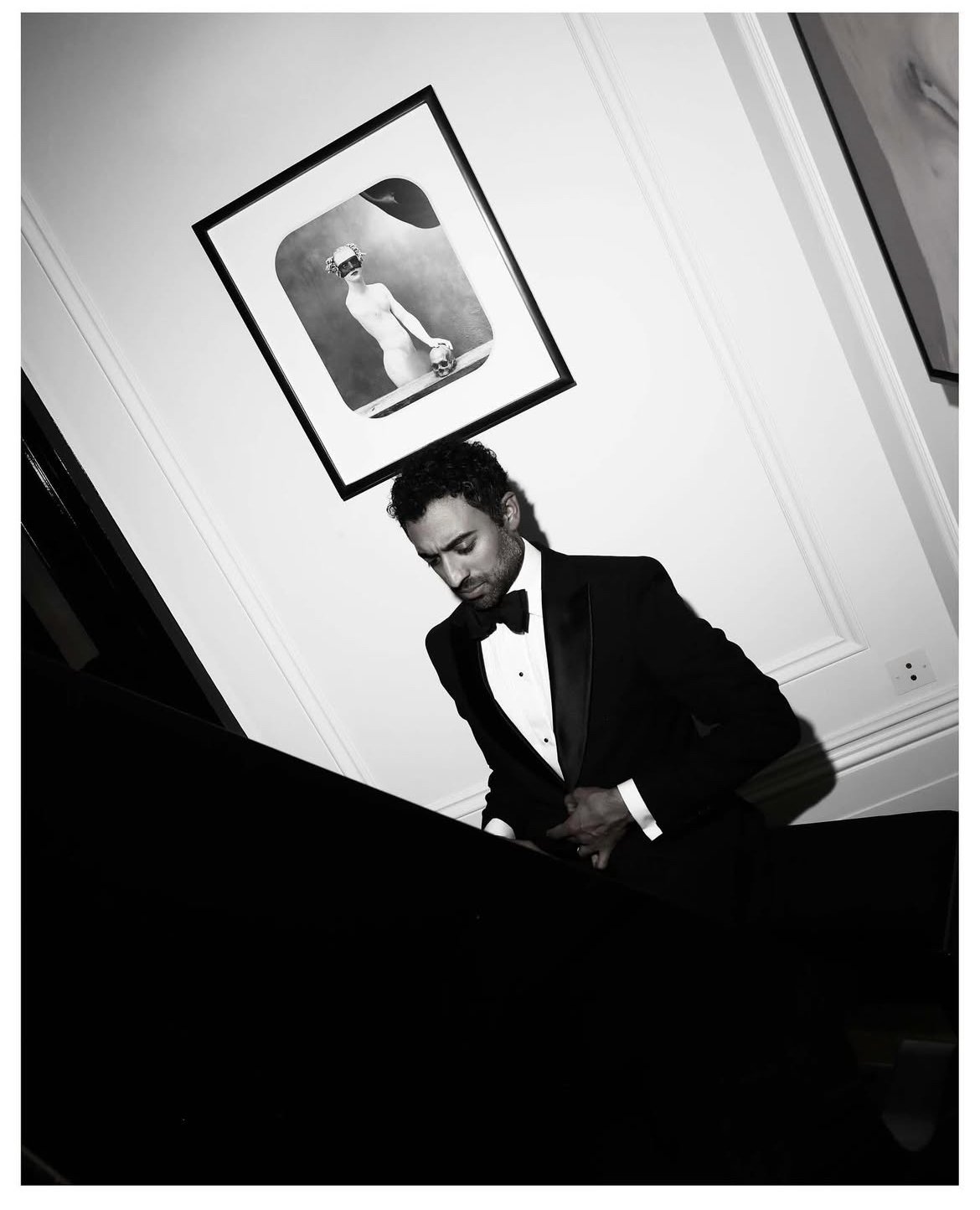
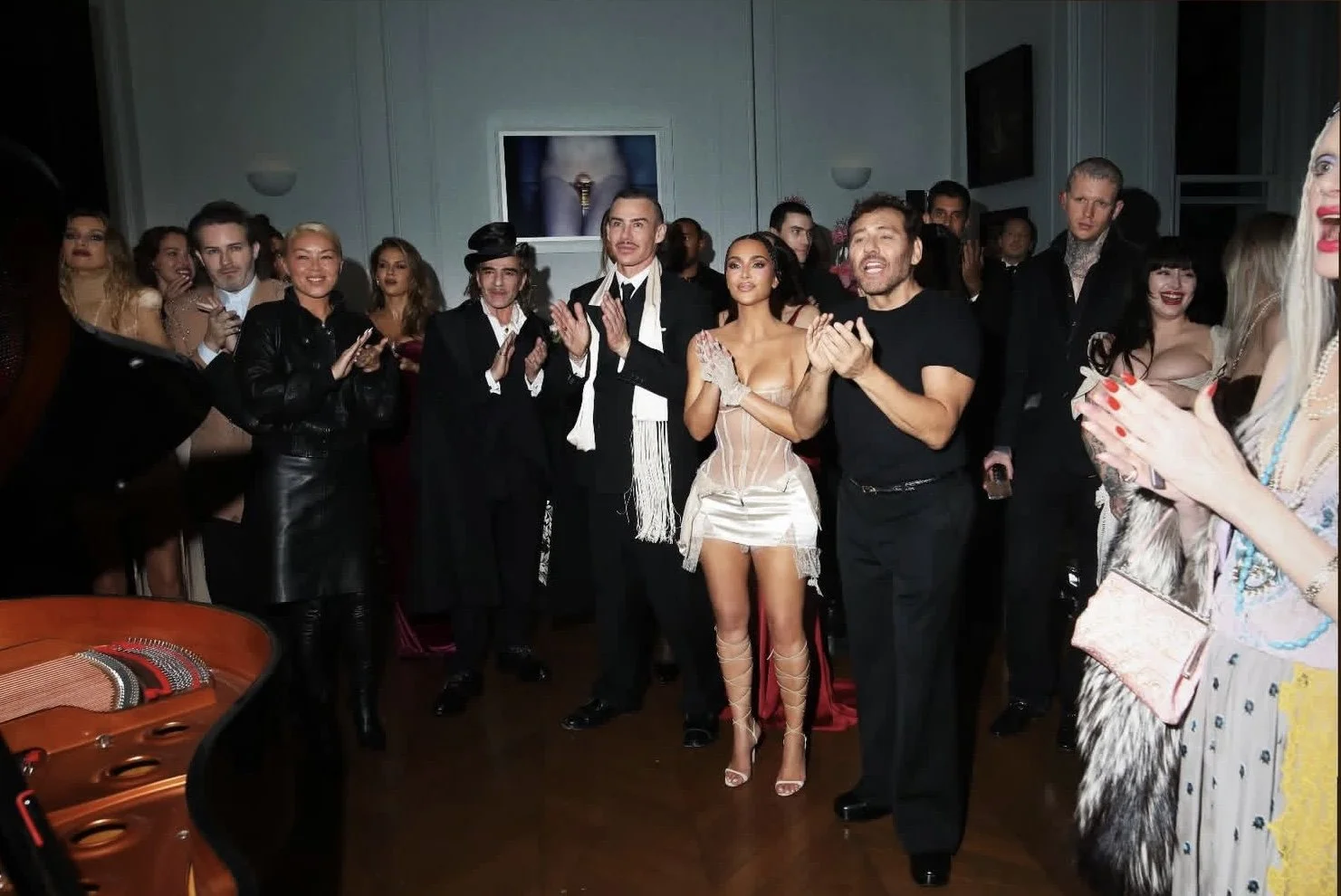
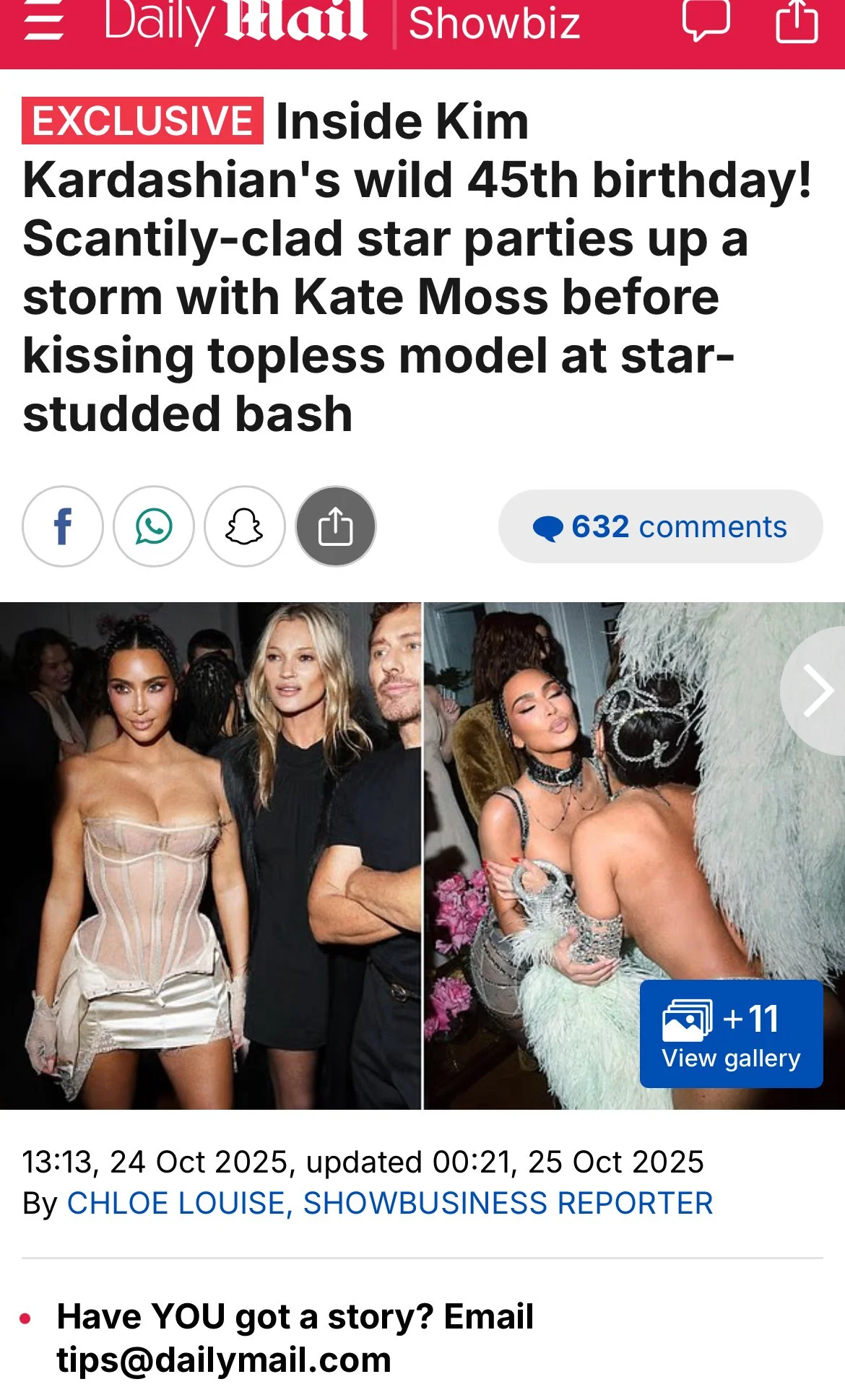
Regardless of what you may think of her, Kim Kardashian is undoubtedly one of the most famous people on the planet. More than this, she has been a permanent fixture in modern pop culture for the past two decades. A model, a reality TV star, a Teen Choice Award winner, and most recently even a small screen star in the American Horror Story franchise – Kim Kardashian is far from the stereotypical propagator of classical music. Even her controversial ex-husband, hip-hop and rap artist Kanye West, is the complete antithesis of the traditional classical genre. Yet, when it came to organising her 45th birthday celebrations, Kim did not turn to Ye or Sabrina Carpenter or Chappell Roan; she instead enlisted the help of professional concert pianist – me, Cyrill Ibrahim.
At the time of writing, the official singles charts are topped by the likes of Taylor Swift, Raye, and Olivia Dean. So, why did Kim Kardashian instead choose to treat her guests to Chopin’s Fantaisie-Impromptu while she blew out her candles in October? The answer is simple – we are witnessing an exciting cultural pivot in which classical music is finally reaching brand-new audiences, appealing to the masses – and dare I say, becoming sexy?
For so many years, the classics have thrived within the exclusive confines of the concert hall, music to the ears of those who already celebrate them. However, classical music has always struggled to break free of those Radio 4 shackles.
Some may argue that classical music needs reinvention – a modern twist on old techniques to appeal to younger listeners. Swap out the piano strings for synthetic beats and the operatic voices for funky autotunes. That could not be further from the truth. What the classics need is rediscovery, not reinvention. Cultural crossover – like combining the birthday of one of the most famous celebrities on the planet with the oldest genre of music on the planet – creates relevance. Ask yourself why Kim Kardashian chose to play classical music at her birthday party. It wasn’t the popular vote. It wasn’t to get the dance floor popping. It was an embrace of everything that classical music represents and celebrates – the complexity of composure, the formality, the depth, the intimacy, the artistry and the class.
The current classical music system is riddled with issues. Despite living in the modern world, agencies continue to try and force a square peg into a round hole. Labels are guilty of resisting fundamental change and giving in to elitism, rather than embracing a younger audience and playing to them on their own terms. The system is completely blind to wider culture, which continues to rattle on at an unprecedented pace, leaving classical music behind. Entrepreneurial artists are dismissed as ‘not serious’, while the traditional agencies are stuck in competitive label loops that repeat the same modern mistakes over and over again.
As a professional pianist, I know that opportunities will not fall in my lap in the modern world. Classical music is no longer the most popular option on the radio, but I firmly believe it remains the most important. If we do not remember and celebrate our roots, then we risk forgetting where we came from. There are still so many lessons to be learned from genius compositions that may have been written hundreds of years ago, but are still frighteningly relevant to modern society. Classical musicians should see themselves like actors, filmmakers, or songwriters, using identity, presence, and storytelling as artistic tools. The likes of Mozart, Chopin, and Beethoven are no longer with us to perform their own works, but musicians like me can still channel their message and reach brand-new audiences every single day, and I think that is beautiful.”
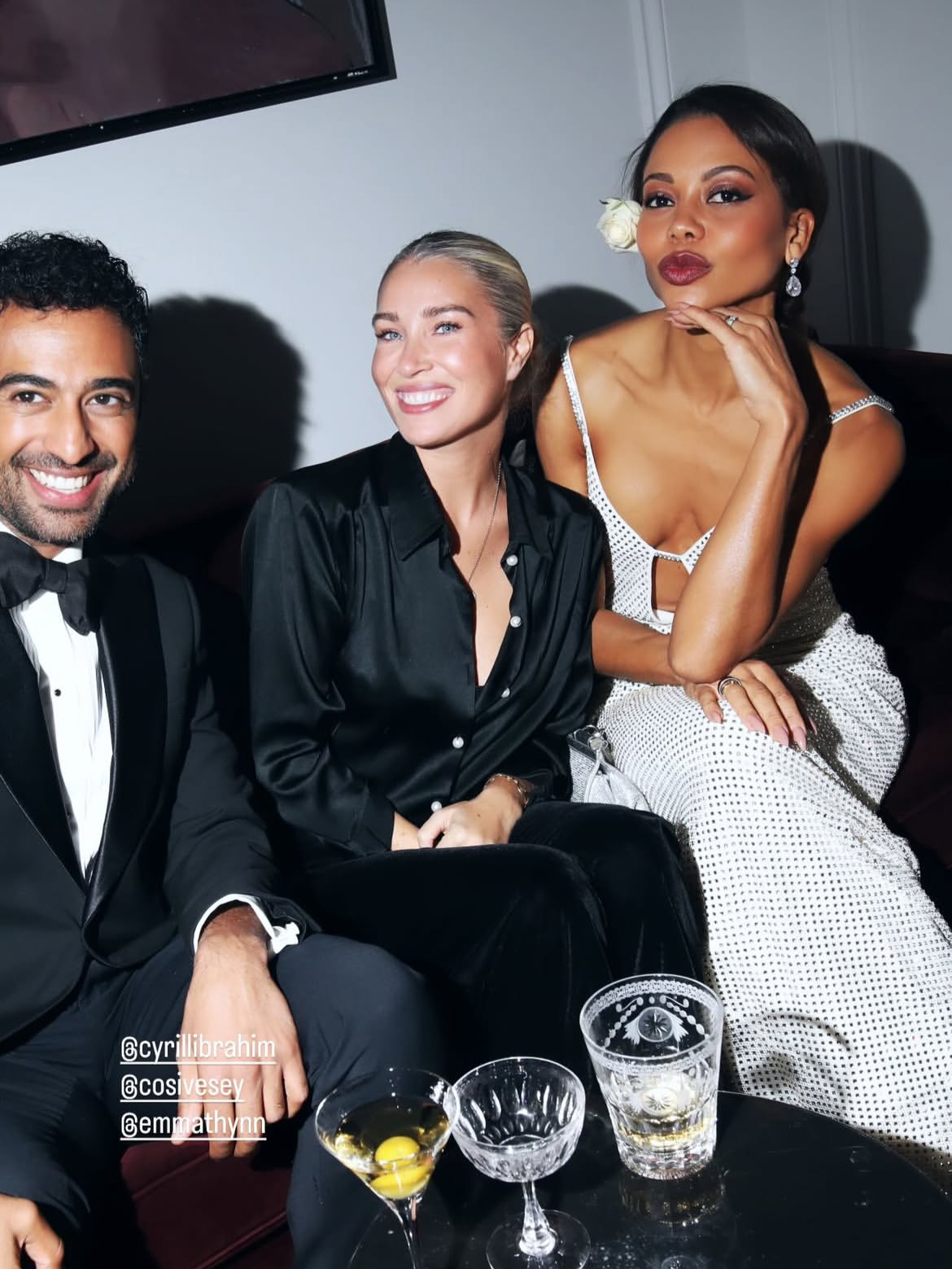
As someone who has made a career out of important collaborations, I am well aware of the importance of building personal brands and networks. Just like modern-day influencers fund their content with sponsorships and donations, success for classical musicians depends on visibility, creativity, and influence. Not only have I performed at pop-culture occasions like Kim Kardashian’s birthday, but I have also played at high-profile events for His Majesty King Charles III and Queen Camilla, and collaborated with household luxury brands such as Harrods, Church’s, and Christie’s.
Hierarchies always favour traditional paths. If left to their own devices, agencies will continue to resist entrepreneurial artists in order to protect their bottom lines. Artists working outside the system don’t fit the old model and are therefore seen as risky investments. Unfortunately, without risks and without innovation, the old ways always fade into obscurity. Building a new audience requires new models and new packaging. But where is this new audience? Unfortunately, there is no magic chord that will instantly open the eyes of the world to the beauty of classical music. It must expand into new cultural ecosystems, and cultural change takes time, dedication, and passion.
We need intentional cross-cultural, cross-industry working. The Kim moment is the result of a deliberately different career path. Had I walked the traditional route and signed to a tried-and-tested label, I don’t think I ever would have received that call, nor many of my other career-defining performances and collaborations. I want to take classical music outside the traditional concert halls to share my passion with as many new people as possible. High culture plus high influence equals cultural significance.
It is clear that a new model is required for classical music visibility. However, this classical music reset will not be led by gatekeepers; it will be led by groundbreaking artists who are brave enough to take a leap into the unknown. A crossover from one of the most popular reality TV stars in the world proves that there is a new future for the art form – a future in which classical music does not have to give up on the foundational traditions on which it was built. All it has to do is reach new audiences by speaking their language – a shared human language that classical music has championed for hundreds of years.